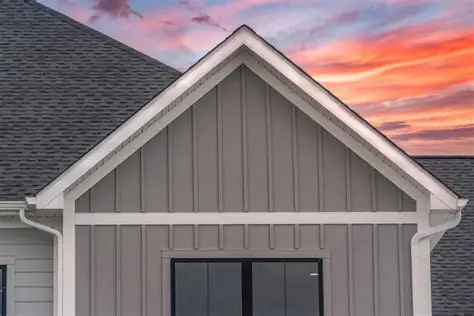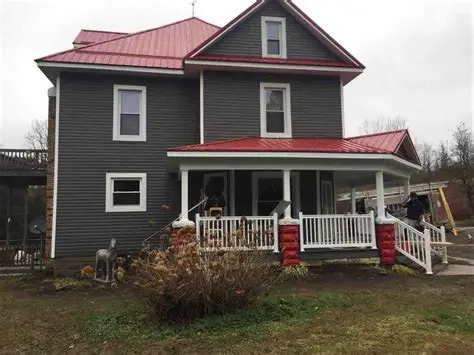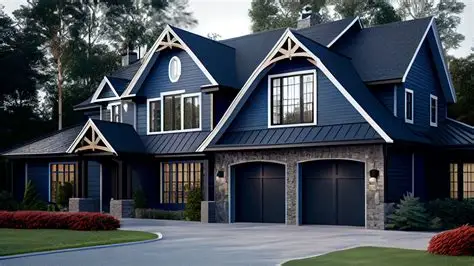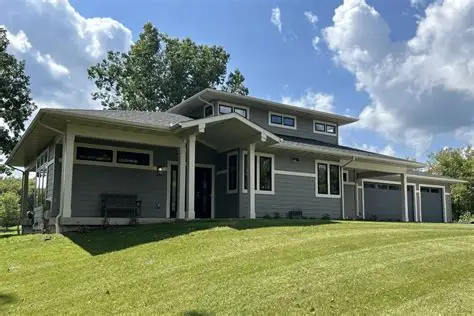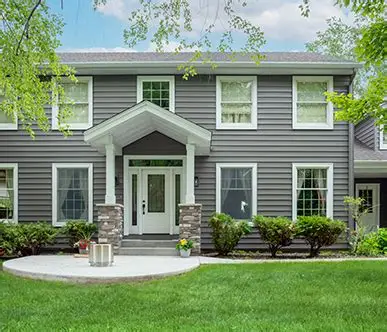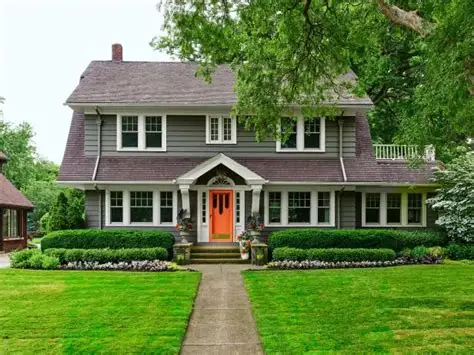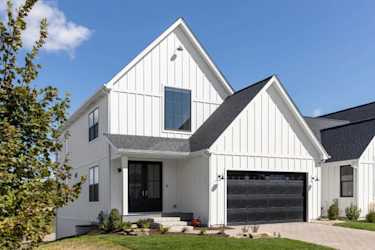
As exterior siding cost becomes a focal point, this introduction invites readers into a realm of comprehensive knowledge, ensuring an engaging and informative exploration of the subject.
The following paragraphs will delve into the various aspects of exterior siding cost, shedding light on factors, materials, installation, and cost-saving strategies.
Overview of Exterior Siding Cost
When it comes to the cost of exterior siding, several factors come into play that determine the overall expense. These factors include the type of siding material chosen, the size of the project, the labor costs involved, and any additional features or customization.
Types of Siding Materials and Cost Range
Different types of siding materials come with varying price ranges. Here are some examples:
- Vinyl Siding: Vinyl siding is one of the most affordable options, with prices typically ranging from $2 to $7 per square foot.
- Fiber Cement Siding: Fiber cement siding is a durable and low-maintenance option that usually costs between $5 to $12 per square foot.
- Wood Siding: Wood siding can range from $6 to $15 per square foot, depending on the type of wood used.
- Brick Siding: Brick siding is one of the more expensive options, with prices starting at around $10 per square foot.
Labor Costs Impact
The cost of labor plays a significant role in the overall expense of installing exterior siding. Factors such as the complexity of the project, the size of the crew needed, and the location of the property can all affect labor costs.
Additionally, any customization or special features required will also impact the amount of labor needed, thus increasing the total cost of the project.
Comparing Different Types of Siding Materials
When considering exterior siding options, it is crucial to compare different types of siding materials based on their initial cost, maintenance requirements, and durability. Each type of siding material has its own advantages and drawbacks that can impact the overall cost-effectiveness in the long run.
Vinyl Siding
Vinyl siding is known for its affordability, making it a popular choice for many homeowners. The initial cost of vinyl siding is relatively low compared to other materials. However, it may require more frequent maintenance such as cleaning to maintain its appearance.
Despite this, vinyl siding is durable and can last for many years, making it a cost-effective option over time.
Wood Siding
Wood siding provides a natural and classic look to a home but comes at a higher initial cost compared to vinyl. It also requires regular maintenance such as staining or painting to protect it from the elements. While wood siding is durable, it may be more susceptible to damage from insects and moisture, which can increase long-term maintenance costs.
Fiber Cement Siding
Fiber cement siding is a versatile option that offers the appearance of wood siding without as much maintenance. The initial cost of fiber cement siding falls between vinyl and wood, making it a popular choice for many homeowners. It is highly durable and resistant to rot, fire, and pests, resulting in lower long-term maintenance costs.
Metal Siding
Metal siding is a durable and low-maintenance option that can withstand harsh weather conditions. While metal siding may have a higher initial cost compared to vinyl or fiber cement, it requires minimal maintenance over time. Metal siding is also energy-efficient, which can lead to cost savings on heating and cooling bills in the long run.
Factors Influencing Installation Costs
When it comes to the installation cost of exterior siding, several factors play a crucial role in determining the overall expenses. Factors such as the size and layout of the house, the type of siding material chosen, as well as additional costs like removal of old siding, insulation, and trim work can significantly impact the total installation costs.
Size and Layout of the House
The size and layout of the house are key factors that influence the installation costs of exterior siding. Larger homes will naturally require more materials and labor, leading to higher expenses. Additionally, the complexity of the house's layout, such as the number of corners, windows, and doors, can also affect the overall installation costs.
Houses with intricate designs may require more time and expertise to properly install the siding, resulting in increased costs.
Removal of Old Siding
Before installing new siding, the old siding must be removed, which can add to the total installation costs. The removal process can be time-consuming and labor-intensive, especially if the existing siding is in poor condition or made of difficult-to-remove materials.
Properly disposing of the old siding also incurs additional expenses, contributing to the overall cost of the project.
Insulation and Trim Work
In addition to the siding material itself, insulation and trim work are essential components of the installation process that can impact costs. Proper insulation helps improve energy efficiency and weather resistance, but it comes with its own set of expenses.
Trim work, such as finishing edges and corners for a polished look, also adds to the overall installation costs. Depending on the quality and complexity of the insulation and trim work required, these additional costs can vary significantly.
Cost-Saving Tips for Exterior Siding Projects
When undertaking an exterior siding project, it's essential to consider cost-saving strategies to ensure you stay within budget. By implementing smart choices and being resourceful, you can reduce overall expenses while still achieving high-quality results.
Choosing Cost-Effective Siding Materials
When selecting siding materials, opt for options that offer a balance between cost and quality. Consider durable materials that require minimal maintenance to avoid future repair costs. Vinyl siding, for example, is a cost-effective choice that provides excellent durability and insulation properties, reducing energy costs over time.
- Explore different material options and compare prices to find the best value for your budget.
- Look for promotions or discounts offered by manufacturers or suppliers to save on material costs.
- Consider recycled or eco-friendly siding materials, which may be more affordable and sustainable in the long run.
DIY Options for Labor Cost Savings
Taking on certain aspects of the siding installation process yourself can significantly reduce labor costs. While some tasks require professional expertise, there are DIY-friendly activities that can help lower overall expenses.
Before attempting any DIY work, make sure you have the necessary skills and tools to complete the job safely and effectively.
- Prep the area by removing old siding or cleaning the surface to save on labor costs.
- Paint or stain the siding yourself to avoid hiring a professional painter.
- Install simple siding panels or pieces that don't require specialized equipment or training.
Last Recap
In conclusion, the discussion on exterior siding cost unveils the complexities and considerations involved in this aspect of home improvement, empowering readers to make informed decisions for their projects.
Frequently Asked Questions
What factors contribute to the cost of exterior siding?
Factors such as material choice, labor costs, house size, and additional features like insulation can influence the overall cost of exterior siding.
How do vinyl, wood, fiber cement, and metal siding differ in cost?
Vinyl siding is typically the most cost-effective, while wood and fiber cement can be more expensive. Metal siding costs vary depending on the type of metal used.
What are some cost-saving tips for exterior siding projects?
Consider DIY options, choose cost-effective materials, and compare quotes from different contractors to find the best deal for your project.